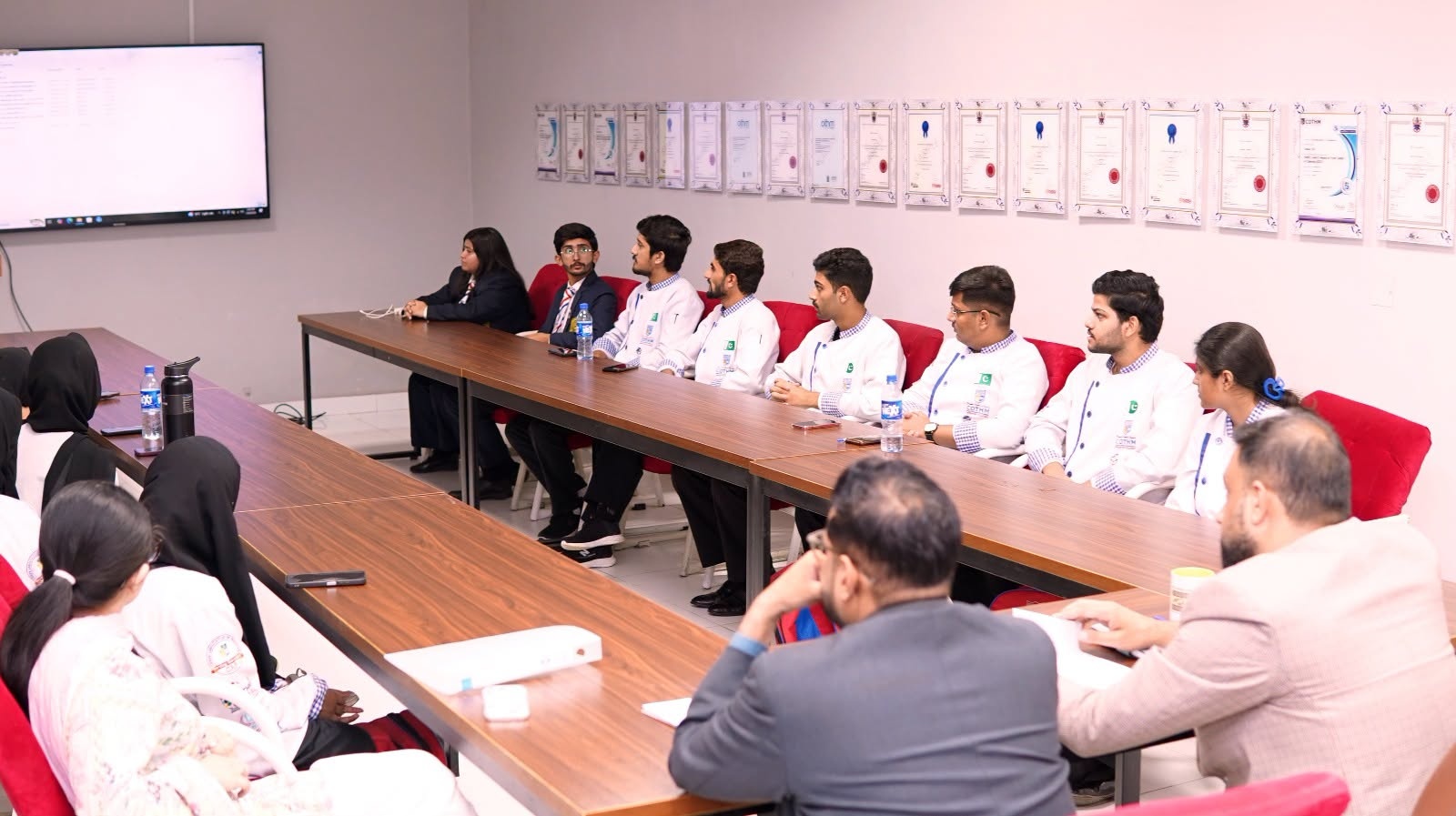
Ahmad Shafiq's Vision for Education Meets the UN Sustainable Development Goals
The role of education in sustainable development extends far beyond classrooms and examinations. For Ahmad Shafiq, Founder, President & CEO of COTHM Global-UK, professional education is closely connected with employment, economic opportunity, responsible tourism and the development of human capital.
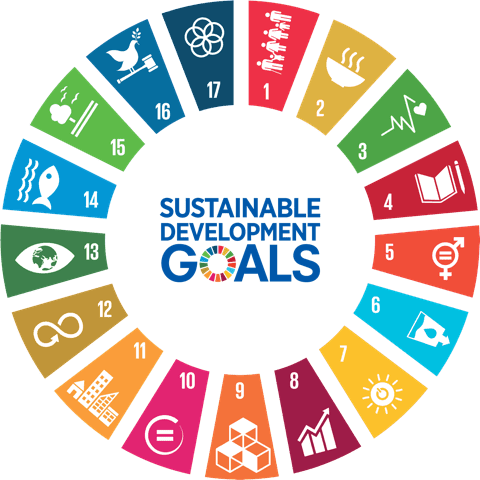
COTHM officially states that it is committed to aligning its education and operations with the United Nations Sustainable Development Goals (SDGs).
This approach connects the institution’s educational mission with a global development agenda.
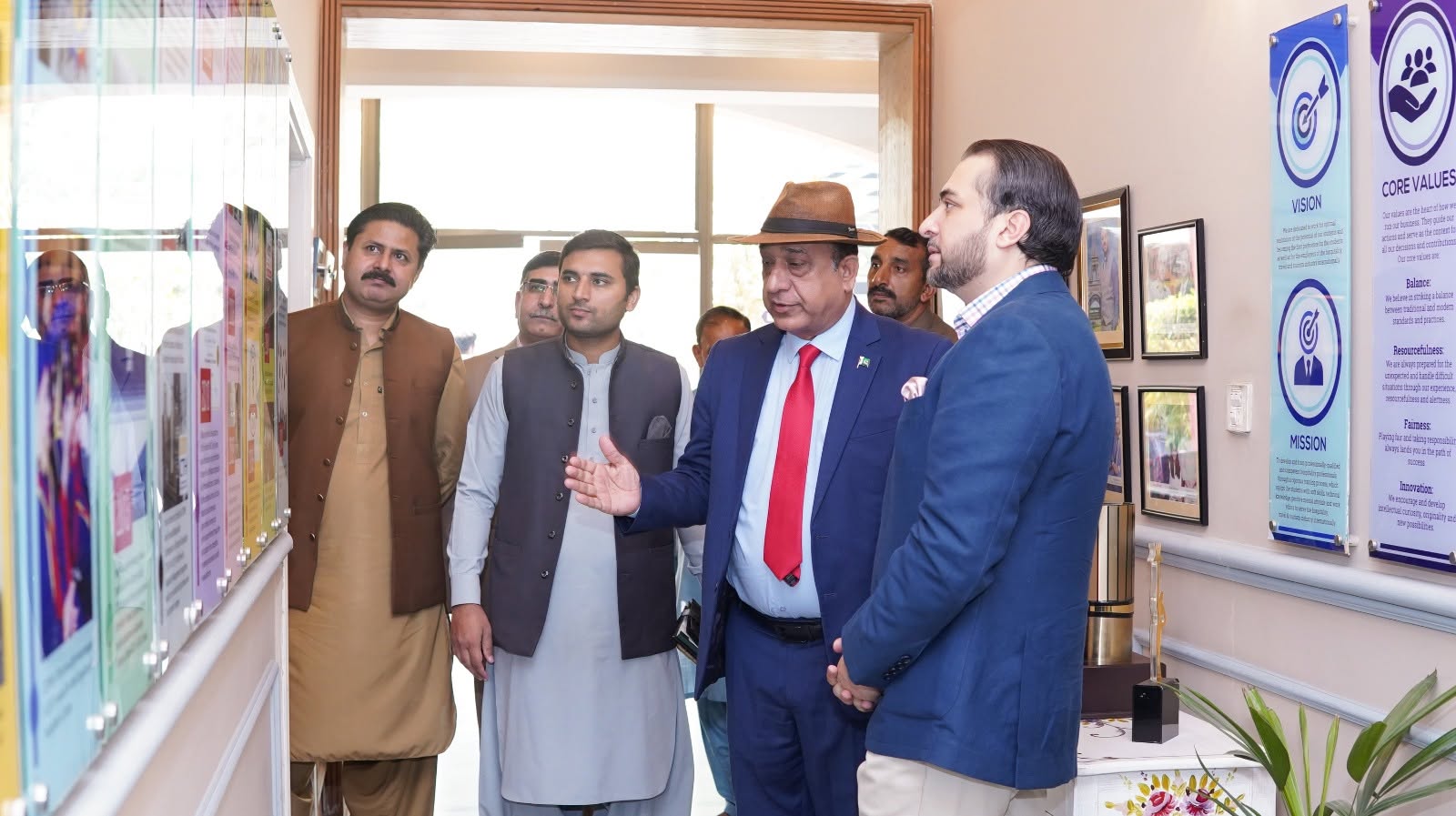
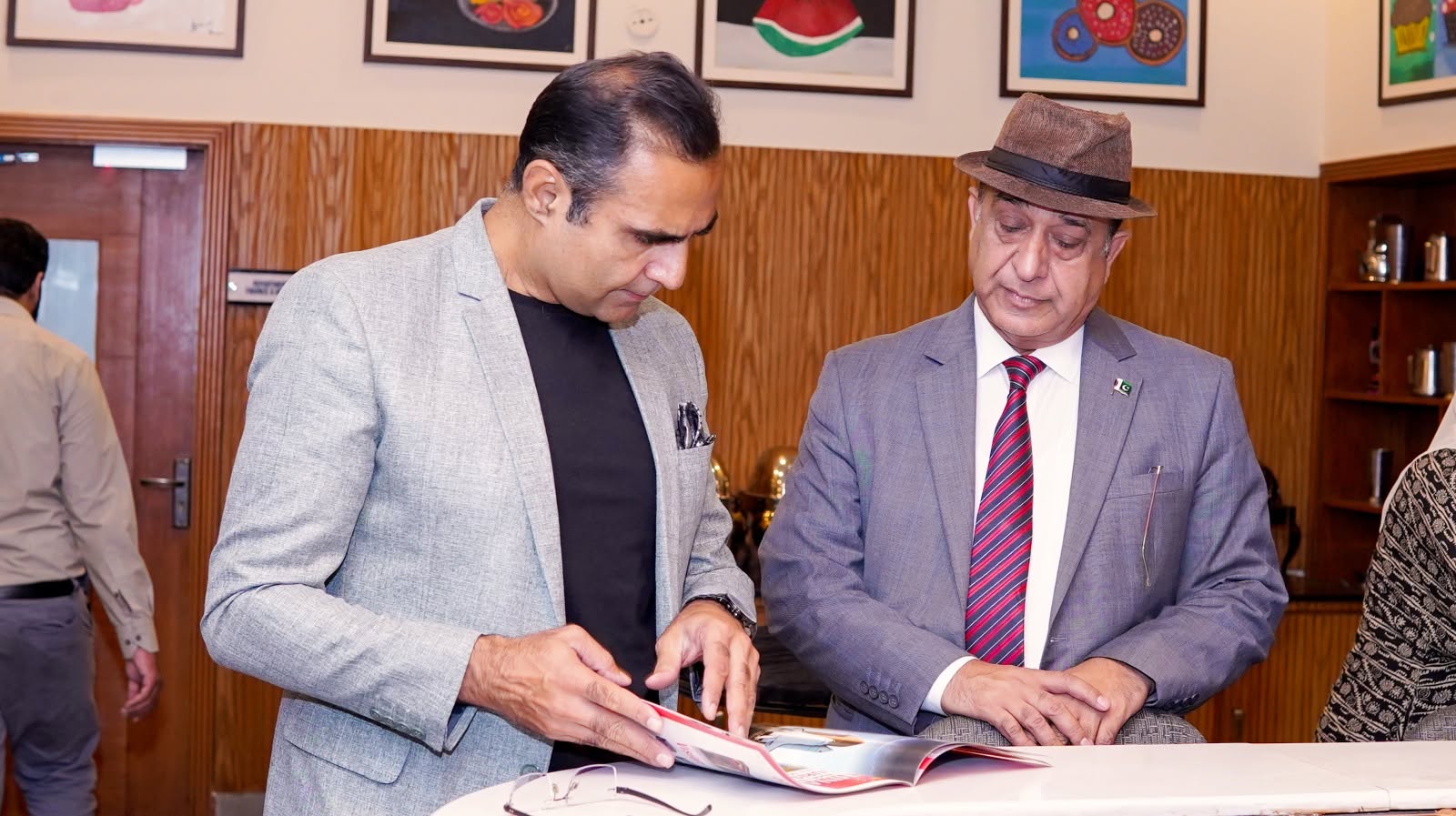
Education as a Tool for Economic Empowerment
One of the strongest connections between Ahmad Shafiq’s educational vision and the SDGs is quality education and decent work.
Since establishing COTHM in 2002, Ahmad Shafiq has focused on practical and industry-oriented education. The institution’s stated mission is to prepare students to contribute to and succeed in a rapidly changing society.
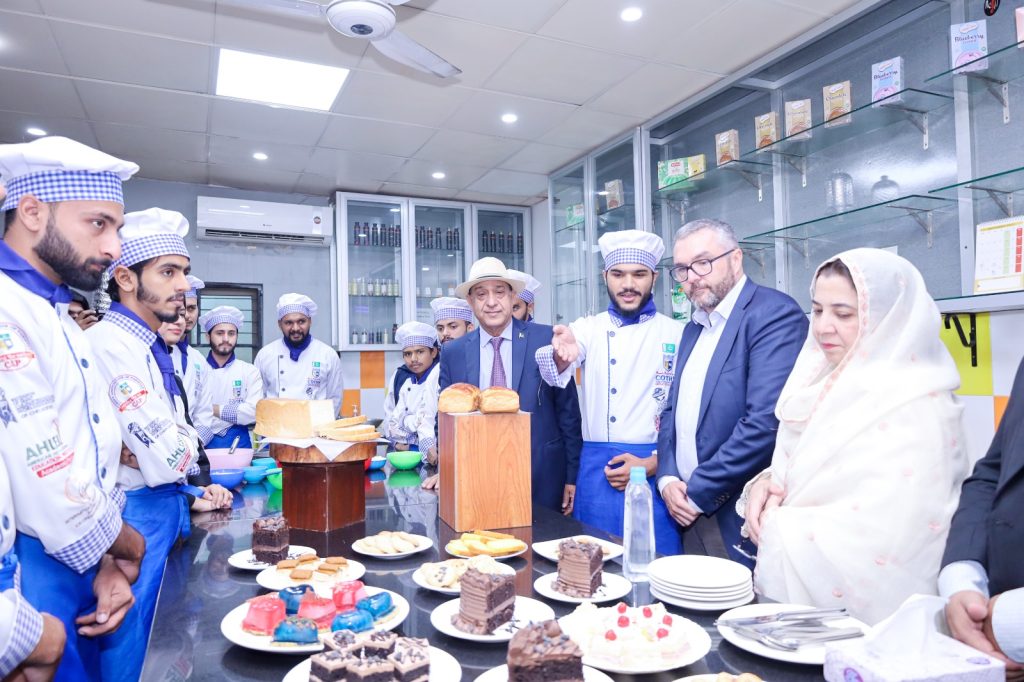
For the hospitality and tourism industry, this means preparing young people with practical competencies that can translate into employment, entrepreneurship and international careers.
From Skills to Decent Work
Hospitality is one of the world’s largest employment-generating sectors.
Hotels, restaurants, airlines, cruise companies, travel agencies and tourism organizations require professionals across hundreds of occupations.
By developing skilled professionals in these fields, hospitality education can contribute to the broader objectives of Decent Work and Economic Growth — SDG 8.
COTHM’s growing alumni network, now exceeding 100,000, illustrates the scale at which professional education can create pathways toward employment and career development.
Sustainable Tourism and Global Responsibility
Ahmad Shafiq’s international engagement has increasingly placed COTHM within conversations around sustainable tourism and future skills.
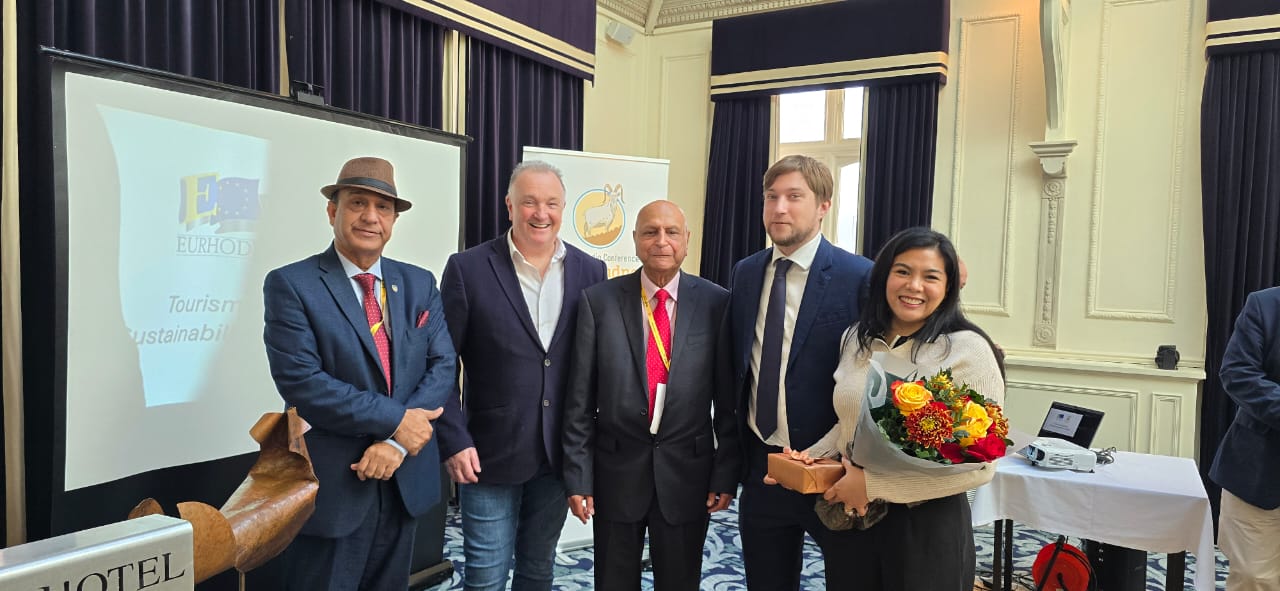
At the 32nd EURHODIP Conference in Wales in 2025, Ahmad Shafiq represented Pakistan’s hospitality and tourism education sector at an international conference focused on Tourism & Hospitality Sustainability & Future Skills.
He also represented Pakistan at the UN Tourism General Assembly in Riyadh in 2025, where the international tourism community discussed responsible and inclusive tourism development and the role of the SDGs.
These engagements demonstrate an effort to connect Pakistani hospitality education with international discussions about the future of tourism.
A Sustainable Future Begins with Skilled People
Sustainable tourism requires more than environmental policies. It requires trained chefs, hotel managers, tourism professionals, airline personnel, entrepreneurs and service specialists who understand modern international standards.
This is where Ahmad Shafiq’s educational philosophy intersects with the SDGs.
His journey from establishing COTHM in 2002 to representing Pakistan on international tourism and hospitality platforms reflects a broader belief: sustainable development begins by giving people the education, skills and opportunities to participate in the global economy.